
From Mechanical Engineering to Associate Director at Accenture: Lessons for Indians Building a Career in Germany
A Conversation with Senthil Kumar JP | German Bharatham Guest E-Meetup
8th March 2026
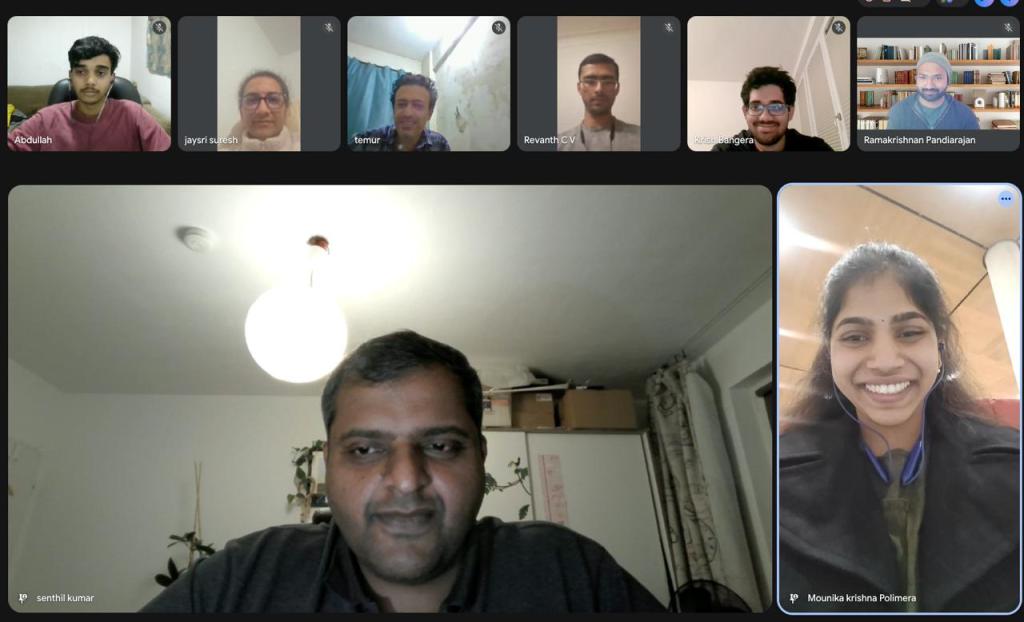
On March 8th, German Bharatham sat down online with Senthil Kumar JP, Associate Director at Accenture and an SAP specialist based in Germany. Mounika Krishna Polimera ran the session, which covered career transitions, job hunting, cultural adjustment, and what building a real career in Germany looks like from the inside.
It’s a session worth watching in full. The recording is embedded below — but if you want the key takeaways first, keep reading.
The Man Behind the Session
Senthil Kumar finished his mechanical engineering degree in Tamil Nadu in 2002 and spent his early years in core manufacturing. The move into SAP wasn’t a career pivot so much as a logical next step — SAP runs on the same business processes he was working with on the floor. Manufacturing, procurement, invoicing. He knew how those things worked before he ever opened an SAP screen, and that gave him a real edge.
From procurement consultant, he worked his way through multiple industry verticals — manufacturing, consumer goods, life sciences, semiconductors — before becoming a solution architect and eventually Associate Director. He came to Europe through Accenture’s global career programme, landed first in Sweden for a client project, and eventually settled in Germany. None of it was planned that neatly, but that’s usually how these things go.
Career Advice Worth Writing Down
Learn the business, not just the tool
The clearest thread through the whole conversation was this: technical skill gets you in the room, but it won’t keep you there. Whether you’re in SAP, data, or any other domain, understanding how the business actually works — how sales connects to procurement, how production feeds into reporting — is what separates someone who can configure a system from someone who can solve a real problem. That knowledge doesn’t come from a course. It comes from paying attention over time.
SAP certifications help, but they’re not the whole story
Certifications are useful, especially early on. They signal to a recruiter that you’ve done the baseline work and are serious about the domain. But in implementation roles, what actually gets tested is process knowledge and experience. A certification gets you past a filter. Your experience is what the interview is actually about.
The skills that quietly matter most
He came back to a few things repeatedly:
- Communication — not just presenting, but writing clearly and listening well. Both matter more than people expect, especially in client-facing roles.
- Cultural intelligence — understanding how work actually runs in the country you’re moving to, before you get there. Germany runs on directness and punctuality, and those aren’t soft suggestions.
- Staying current — the SAP space is shifting. AI-embedded tools, cloud migration, technologies like SAP Joule are changing what’s in demand. Python developers and people familiar with cloud platforms are well-placed right now.
For Job Seekers: What the German Market Actually Expects
Do your groundwork before you land
Start applying from your home country. Not because you’ll necessarily land something, but because the rejections will tell you things. Where does your CV fall short? What is the market actually asking for? That gap is useful information, and it’s much cheaper to find out while you’re still at home than after you’ve relocated.
Every application should have a tailored resume. Not padded, not exaggerated — German hiring processes will probe your experience in detail, and it shows quickly when something doesn’t hold up. Be straightforward about what you know and what you’ve done.
German language: how much does it actually matter?
It depends. Senior roles that involve presenting to German clients often require C1 or C2. Mid-senior positions are more mixed. What Senthil Kumar pointed out is that holding a B1 or B2 certificate isn’t the same as being able to hold a professional conversation — and some interviewers will find that out on the spot. For freshers, though, language is rarely the main reason for rejection. The gaps are almost always in experience and skill fit.
Don’t limit your search to LinkedIn
Stepstone and Xing are widely used here and worth adding to your regular search. Job fairs are another option, particularly for trainee programmes and thesis projects. No single platform shows you the full picture of the German market.
Freshers: internships first
The most practical advice for anyone entering the German market for the first time — pursue an internship before a full-time role. The ideal setup is to align your Master’s thesis with a company project. That creates a natural path into an internship, and sometimes into a part-time role alongside it. It’s one of the more reliable ways to build the local experience that employers ask for, and that no amount of overseas work history fully substitutes.
Navigating Salary Conversations
Krish Bangera asked something that most people wonder but rarely say out loud: how do you figure out a realistic salary range when online sources and peer advice keep giving you different numbers?
Senthil Kumar’s answer was straightforward. Salary depends on experience level, company size, designation, and what the market is currently paying for your specific skill set. Comparing notes with friends is a bad reference point — their roles and backgrounds rarely map closely enough to yours to be useful. Use legitimate salary benchmarking tools to get a realistic range, and when the conversation comes up in an interview, don’t anchor too high or too low. Both create problems.
For Data Engineers Feeling Stuck
One of the more specific moments in the session came from Jaysri Suresh, a data engineer with ten years of experience across ETL pipelines, SQL, and PowerBI, who asked whether a full move into a functional SAP track made sense given how crowded data engineering feels in Germany right now.
Senthil Kumar’s take: with a decade of technical depth, a complete pivot would mean abandoning a lot of hard-earned expertise for uncertain returns. The better path is to extend what’s already there — tools like SAP analytical platforms, Snowflake, and Kubernetes sit at the intersection of data engineering and enterprise tech. Someone with her background already has most of the foundation. The move is to build on it, not away from it.
One Cultural Shift That Makes a Real Difference
Germany communicates directly. Yes or no. I know this, I don’t know that. It’s a professional expectation, not a personality quirk. For people coming from cultures where indirectness is more common, this takes real adjustment — and Senthil Kumar’s advice was to start practising it before you arrive, not after.
Punctuality is the other one. Arriving 3 to 5 minutes before a meeting isn’t optional here. It’s just the baseline.
What’s Coming Next
German Bharatham plans to keep this series going — future sessions will bring in people from data architecture, cybersecurity, and other domains. If this one was useful, the next ones will be worth showing up for.
Watch this space for announcements.
👉 Explore the community: muenchenbharatham.com/communities
Hosted by German Bharatham | Featuring Senthil Kumar JP, Associate Director, Accenture
 German Bharatham
Leave a comment